
Rehabilitation at Pet Universe
“The Pet Universe Difference”
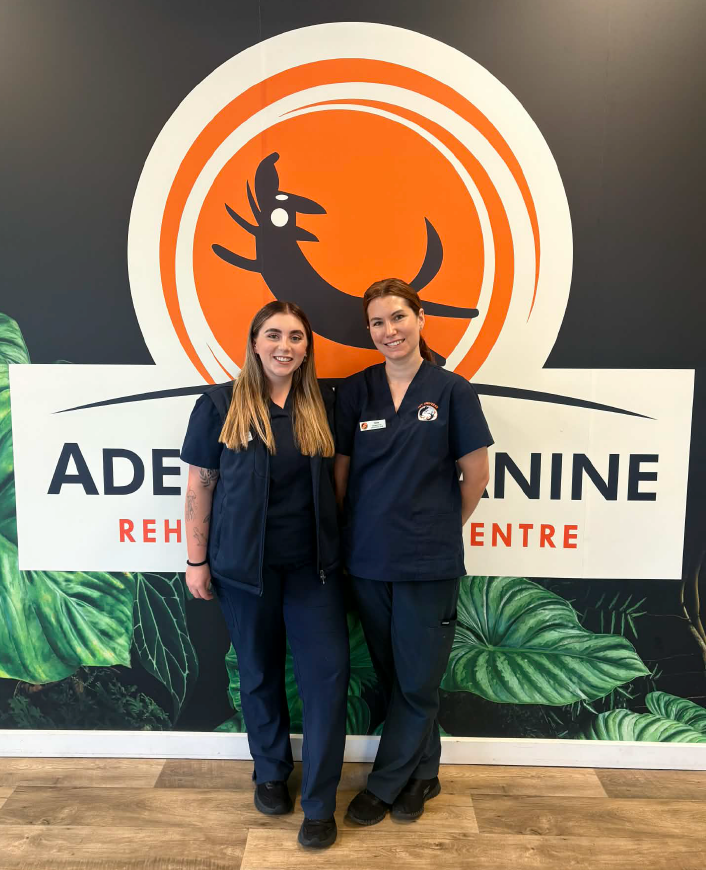
Pet Universe Veterinary Centre has been a pioneer in the canine rehabilitation space in Adelaide for many years. Our rehab therapist team consists of Tayla and Georgie – Tayla is a Certified Canine Rehabilitation Practitioner (CCRP) and Georgie is currently studying the program from the University of Tennessee. Graduates of the program are recognised and respected around the world in the rehab field. Our team will help create a tailored program for your pet so they can reach their rehabilitation goals.
Rehabilitation Modalities at Pet Universe
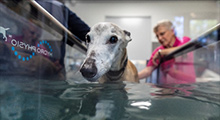
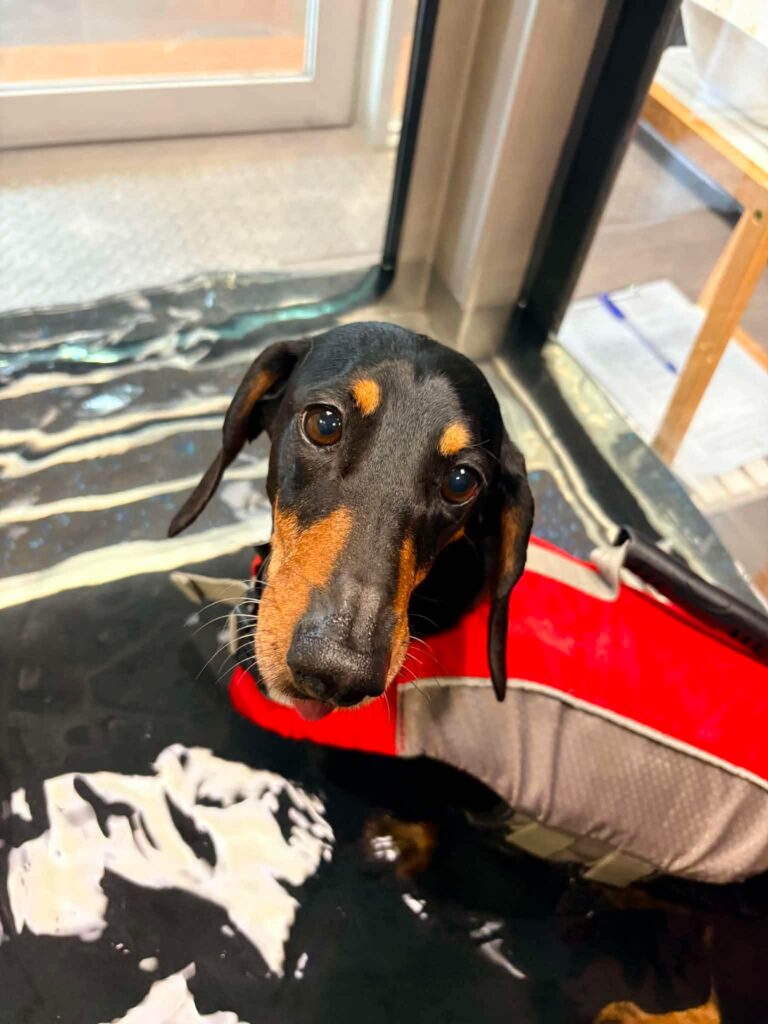
Hydrotherapy
Process:
• Allows muscle contracture with minimal weight bearing
• Adjusting treadmill speed, angle (incline) and depth of water influences range of motion and effort of muscles
• Buoyancy creates a weightless environment that alleviates pressure on joints and supports weakened muscles
• Hydrostatic pressure creates pressure against the body to decrease pain and swelling
• Resistance is beneficial for building muscle and increasing fitness
• Is more beneficial than swimming due to controlled weight bearing for building muscle (swimming is for fitness and conditioning)
Benefits:
• Removes pressure from the the joints
• Reduces inflammation
• Helps blood to circulate
• Improves strength
• Provides cardiovascular fitness
• Aids in mental stimulation
Examples of Conditions Where Used:
• Weight loss
• Post orthopaedic surgery
• Inflammatory conditions
• Neurological patients
Contraindications:
• Patients with cardiac disease or respiratory disease
• Active bleeding/infections
• Diarrhoea
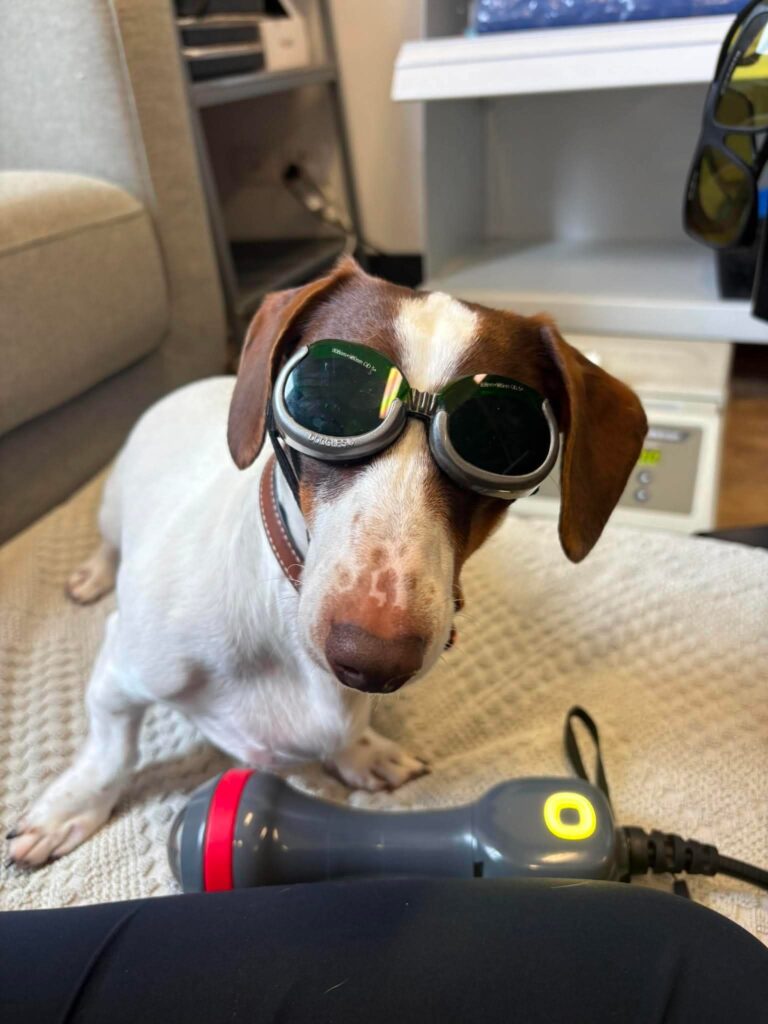
LASER THERAPY
Process:
• Deep penetrating light to promote a chain of chemical reactions
• Promotes the release of endorphins, which stimulates injured cells to heal at an accelerated pace
• Not all laser machines are the same, our equipment is class 4 therapeutic laser (>0.5w), high powered to penetrate adequately
• Continuous laser emission up to 25w, this is required to target deep tissues such as spine and hips
Benefits:
• Increases circulation
• Reduces inflammation, swelling, muscle stiffness, spasms and pain
• Improved wound healing
• Draws water, oxygen and nutrients to the affected area
• Relieves both acute and chronic pain
Examples of Conditions Where Used:
• Arthritis
• Post-op surgical procedures
• Hip dysplasia
• Ligament tears/strains
• Muscle soreness
Contraindications:
• Pregnancy
• Near the gonads or eyes
• Tumours
• Growth plates
• Active haemorrhage
Precautions:
• Biological damage possible – retina particularly vulnerable
PHYSICAL THERAPY AND MASSAGE
Process:
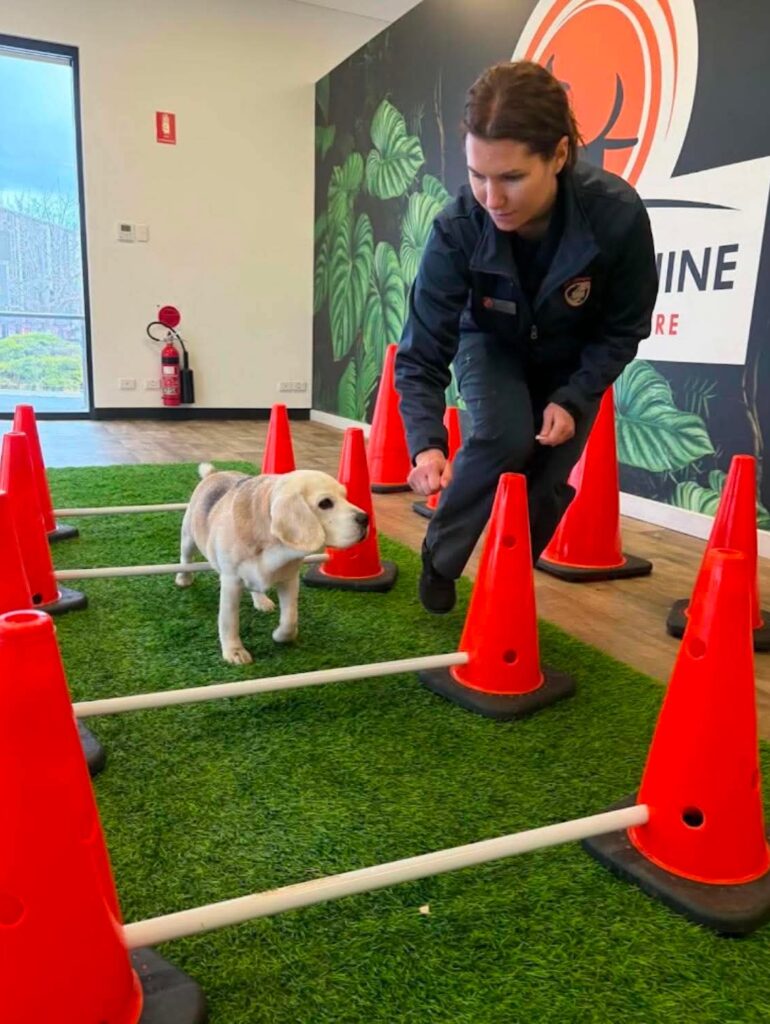
• Physical therapy includes a range of dynamic and static stretching
• Build muscle by using an assortment of exercise equipment, such as balance boards, weaving cones and hurdles
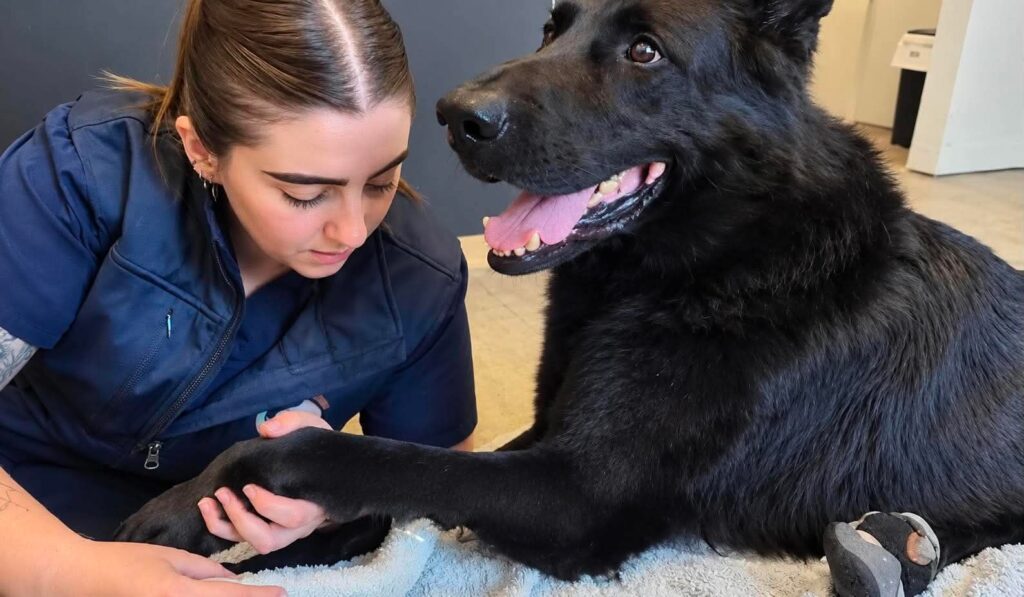
• Massage uses effulge (strokes), petrissage (kneading) and friction to release muscle tightness
• Allows joints to have full range of motion
Benefits:
• Decrease pain and allow improved flexibility
• Massage promotes the breakdown of adhesions, myofascial release and acupressure
• Gain core strength
• Improves balance and proprioception
• Rebuild muscle mass
• Relaxes muscles and improves vascular and lymphatic circulation to heal and relieve pain
Examples of Conditions Where Used:
• Gait and Proprioception Problems
• Geriatric patients
• Strength and conditioning
• Muscular conditions
Contraindications:
• Massage not to be performed over healing wounds/incisions
• Programs must be tailored to the pet so no further damage occurs
THERAPEUTIC ULTRASOUND
Process:
• Deep heating tissues
• Two modes, deep heat (continuous) and healing (pulse)
• Deep heat sends continuous ultrasound waves to warm the area
• Healing mode produces a 20-50% pulse with no heat
• Waves stimulate blood flow and increases cytokines to maintain healing
Benefits:
• Increases blood flow to the area
• Reduces inflammation and swelling
• Decrease pain and muscle spasm
• Speed up wound healing
Examples of Conditions Where Used:
• Ligament tears and strains
• Muscle spasms
• Calcific tendinitis
• Fibrotic Myopathy
Contraindications:
• Not to be used directly on the heart
• Embolus
• Active infection
• Tumours
• Over the spinal cord post laminectomy
• Over implants (e.g. surgical plates)
• Over gonads
• In pregnant patients
TRANSCUTANEOUS ELECTRICAL NERVE STIMUALTION (TENS)
Process:
• Stimulates faster sensory nerves with an electrical impulse, which causes and overload of interneurons
• Limits the ability of sensory nerves to transmit pain signals to the brain
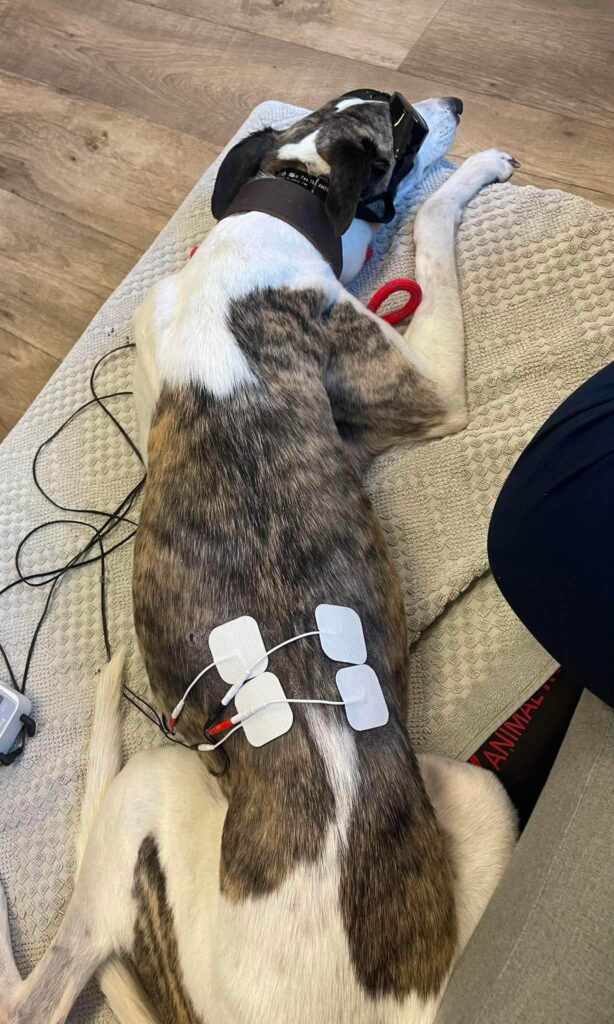
• Places electrodes on targeted area to stimulate nerves via electrical impulses
Benefits:
• Alleviates pain
• Reduces inflammation
• Improves circulation
• Promotes healing
Examples of Conditions Where Used:
• Pain relief post surgery
• Conditions that cause stiffness and spasms
Contraindications:
• Healing wounds
• Pacemakers
• Epilepsy
• In pregnant patients
• Cancer
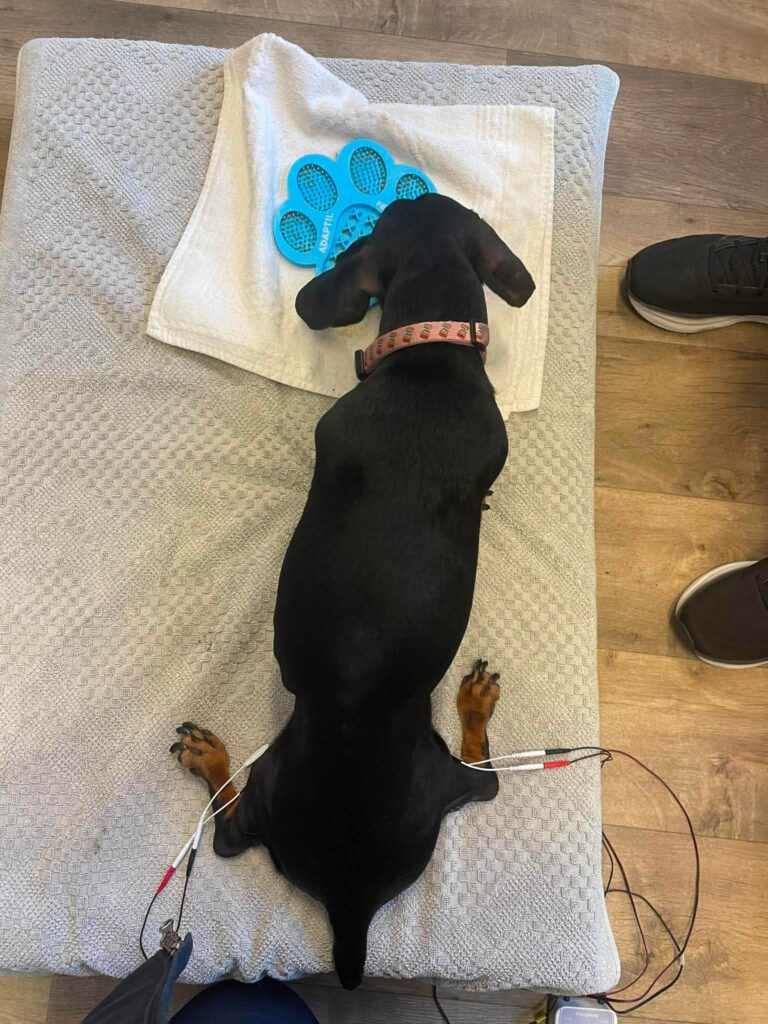
ELECTRICAL STIMULATION (E-STIM)
Process:
• Uses electrodes and a low electrical current to stimulate nerves at the nerve-muscle junction causing the muscle to contract
• Places electrodes on targeted area to stimulate motor nerves via electrical impulses to cause involuntary muscle contractions
Benefits:
• Improve muscle memory and strength
• Stimulate atrophied muscles
• Relax muscle spasms
• Increase range of motion
Examples of Conditions Where Used:
• Paralysis
• Pain relief
Contraindications:
• Healing wounds
• Pacemakers
• Epilepsy
• In pregnant patients
• Cancer
THERMOTHERAPY
Process:
• There are many different types of heat therapy
• Wheat bags, infrared lights, paraffin/hydrotherapy, therapeutic ultrasound on continuous setting
• 1-2 degrees over body temperature is used for inflammation and pain
• 2-4 degrees over body temperature is used for collagen stretching
• Check every 5 minutes to ensure not burning
• Stretching is best done after heating
Benefits:
• Used for chronic pain
• Increases circulation/vasodilation
• Metabolism and chemical reactions e.g. collagenase, tissue distensibility, decreased pain with increased circulation, breakdown knots
• Flushes out toxins, softens connective tissues, increase healing rate and used for pain relief
Examples of Conditions Where Used:
• Chronic muscular pain
Contraindications:
• Decreased sensation or circulation (could result in burns)
• Tumours
• Acute inflammation or infection
CRYOTHERAPY
Process:
• There are many different types of cold therapy
• Ice packs, vapour coolant spray, baths, cold compression units
• Need to be used with care as can cause frostbite due to low temperatures
• Used when inflammation is active, once there is no more active inflammation, move to heat therapy
• Check every 5 minutes to ensure no frostbite
Benefits:
• Vasoconstriction, which results in a decrease in inflammation and bleeding
• Reduction of metabolism and speed of chemical reactions
• Decreased pain from reduction of nerve transmission speed
• Decreased muscle spasm
• Decreased oedema
Examples of Conditions Where Used:
• Post-operatively to combat swelling
• Active inflammation
• Fractures
Contraindications:
• Decreased sensation or circulation
• Nerve injury with prolonged exposure